When most people think about fire in natural landscapes, the first reaction is often concern. Fire can seem destructive, especially when we picture forests or homes in danger. Prairie ecosystems tell a different story.
For thousands of years, fire has been one of the natural forces that shaped prairie landscapes across the Great Plains. Alongside grazing animals, shifting weather patterns, and seasonal cycles, fire helped maintain the open grasslands that once covered much of Nebraska.
Prairie ecosystems evolved alongside these forces. Fire periodically moved across the land, clearing old vegetation and making space for new growth. Learning about the role of fire in prairie ecology completely changed how I think about these landscapes. What first appears destructive often turns out to be an essential part of the prairie’s long-term health.

Fire as a Natural Prairie Process
Before modern development, fire was a regular feature of prairie ecosystems. Lightning strikes could ignite fires during dry conditions, allowing flames to move across the grasslands. Indigenous communities also used fire intentionally to manage landscapes, encourage new plant growth, and support wildlife.
Prairie fires typically moved quickly through dry grasses but rarely burned deep into the soil. Unlike forest fires that can damage tree canopies, prairie fires often pass rapidly over the surface of the land. Because prairie plants evolved in these conditions, many species developed strategies that allow them to survive fire.
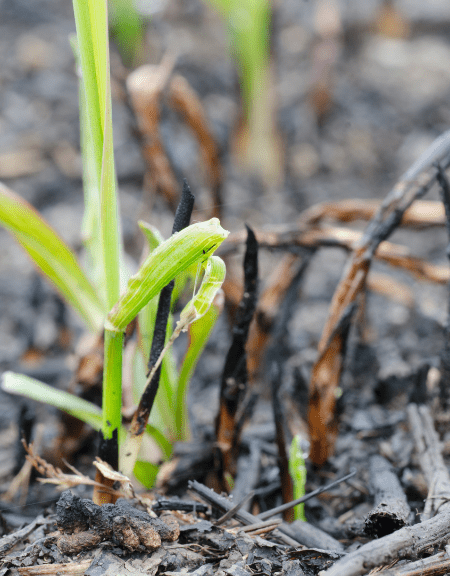
One reason prairie plants recover so quickly is that much of their growth occurs below the soil. The deep root systems that anchor prairie plants protect them from surface fires and allow them to regrow once the flames pass. These underground systems hold enormous reserves of energy and nutrients, ready to support new growth.
How Fire Benefits Prairie Plants
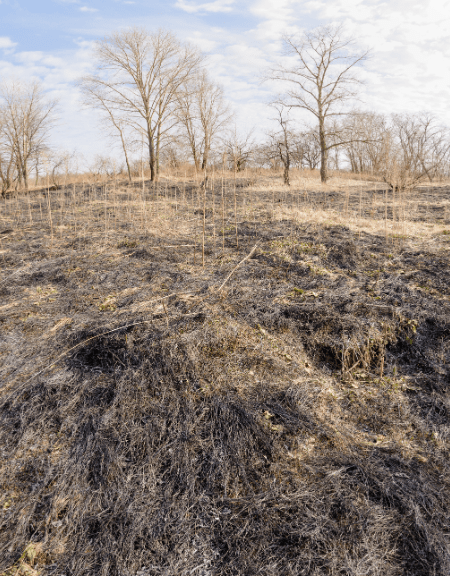
Although fire removes old vegetation, it also creates conditions that help prairie plants thrive. One benefit of fire is that it clears away the thick layer of dead plant material that builds up over time. Removing this layer allows sunlight to reach the soil surface, encouraging new shoots to grow.
Fire also returns nutrients to the soil. As plant material burns, nutrients that were stored in stems and leaves return to the ground, where new plants can use them. Prairie soils are among the most fertile in North America, in part because of thousands of years of plant growth, decomposition, and natural disturbance cycles such as fire.
Prairie plants also play an important role in storing carbon underground through their extensive root systems. These roots continue growing beneath the soil even when the visible plants die back each winter. When fire passes through a prairie, those underground systems remain intact and ready to produce new growth. In many ways, fire acts as a reset that allows prairie ecosystems to renew themselves.
Fire and Prairie Biodiversity
Fire also helps maintain biodiversity within prairie ecosystems. Without periodic fires, woody plants such as shrubs and trees can gradually begin to dominate grassland areas. Over time, this process can transform prairie into woodland. Fire slows this transition by removing young trees and allowing grasses and wildflowers to remain dominant across the landscape. This helps maintain the open conditions that prairie species depend on.
Many prairie wildflowers respond particularly well after fires. New growth often appears quickly in the following growing season, and flowering plants may bloom more vigorously once sunlight reaches the soil surface again. These changes create favorable conditions for pollinators. Bees, butterflies, and other insects benefit from the renewed growth of nectar-producing flowers that follow prairie burns.
Prescribed Fire and Prairie Restoration
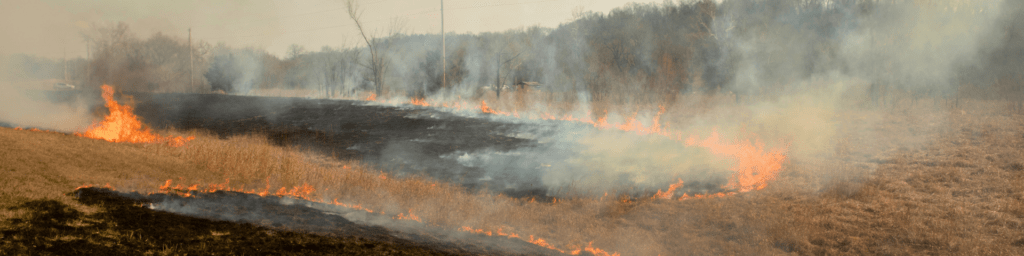
Today, land managers often use controlled burns, also called prescribed fires, to maintain prairie habitats. These carefully planned burns help mimic the natural fire cycles that historically shaped prairie landscapes.
Across Nebraska, many prairie preserves and restoration projects rely on prescribed burns to maintain healthy grasslands. Conservation organizations and land managers schedule these burns during specific weather conditions so they remain safe and controlled. The goal is not destruction, but renewal.
After a controlled burn, prairie landscapes often respond with new plant growth, increased flowering, and improved habitat for wildlife. When visiting restored prairie areas around Nebraska, it is sometimes possible to see the results of these cycles. Areas that experienced burns in previous seasons often display strong plant growth and vibrant wildflower displays. These management practices help ensure prairie ecosystems remain healthy long into the future.
Understanding the Prairie’s Natural Cycles
Spending time learning about prairie ecology has changed how I see these landscapes. At first glance, the prairie may appear calm and unchanging. Yet beneath that quiet surface, many natural cycles are constantly shaping the ecosystem. Fire, grazing, weather patterns, and seasonal change all play roles in maintaining prairie health.
The more I observe prairie plants in my garden and in natural areas around Lincoln, the more I appreciate the resilience built into these ecosystems. Prairie plants are adapted to change. Their strength lies in their ability to recover and grow again after disturbance. Understanding those cycles helps reveal why prairie ecosystems remain some of the most resilient landscapes in North America.