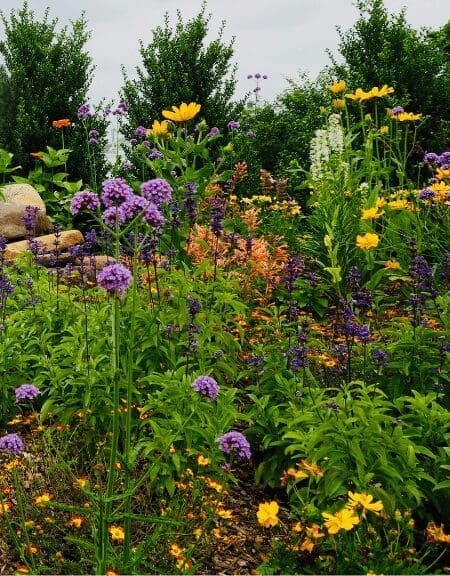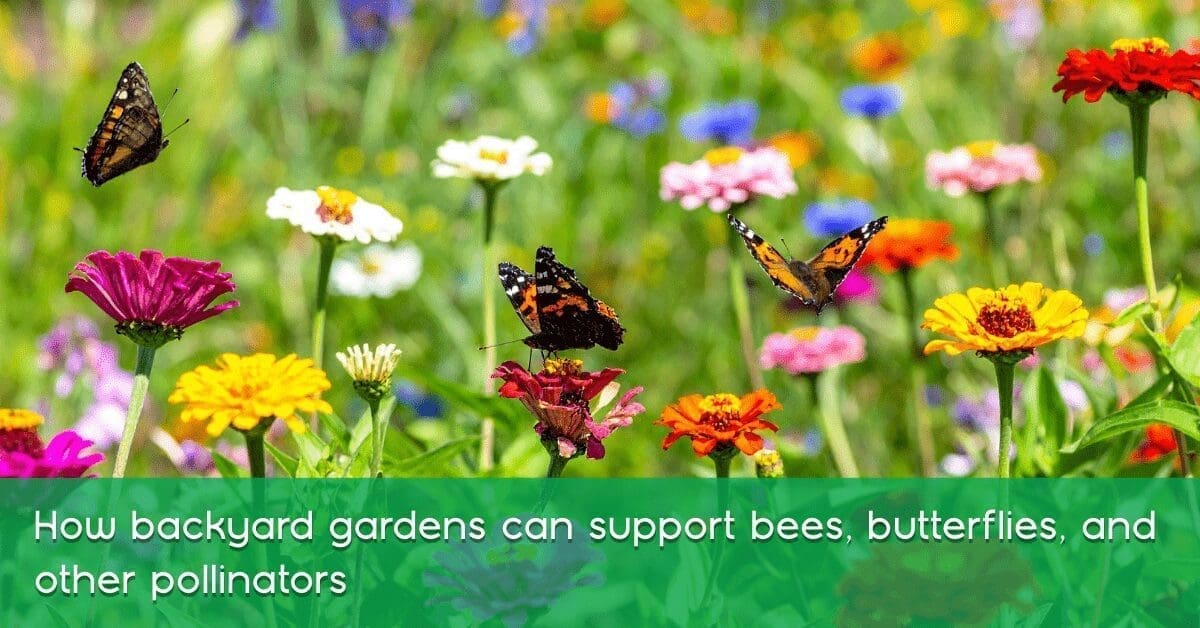
One of the most encouraging things I have learned while building my pollinator garden in Lincoln, Nebraska is how much wildlife habitat a backyard can support when it is planted with intention. When I first began working on the space, much of the yard was a fairly typical lawn with very little diversity. Over time I began replacing sections of grass with native prairie plants and pollinator-friendly flowers.
The transformation did not happen overnight, but with each season the garden became more active. Bees began appearing throughout the day. Monarch butterflies started visiting milkweed plants in summer. In the evening, moths occasionally hover over flowers that remain open after sunset.
Today the garden has grown into a fairly large pollinator habitat, filled with native plants that support bees, butterflies, birds, and other wildlife. Watching how quickly pollinators respond to these plantings has been one of the most rewarding parts of the process. It also reinforced an important lesson: gardens can become meaningful habitat when they are designed with pollinators in mind.
What Pollinators Need
Pollinators depend on several basic habitat elements to survive. When these elements are present together, a garden can support a wide variety of insects and wildlife.
Food
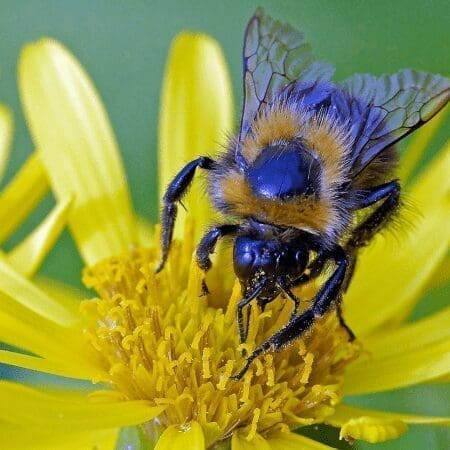
Pollinators need nectar and pollen from flowers. Different species prefer different plants, which is why plant diversity tends to attract the greatest number of pollinators.
Host Plants
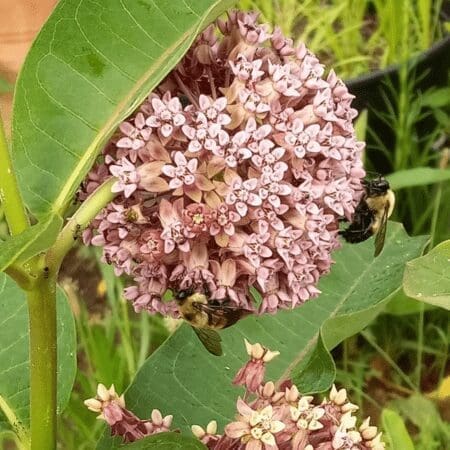
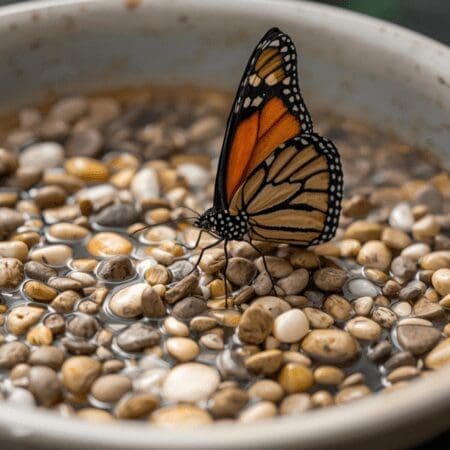
Some pollinators require specific plants to complete their life cycles. Monarch butterflies, for example, depend entirely on milkweed plants where they lay eggs and where caterpillars feed.
Shelter and Nesting Areas
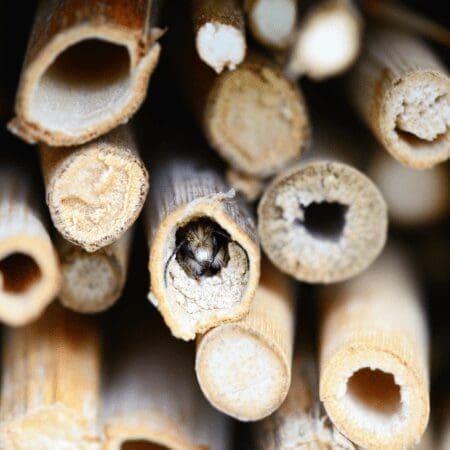
Many pollinators also need places to rest or nest. Native bees may nest underground in soil, while others use hollow stems or natural cavities in plant material.
Water
A shallow water source can also benefit pollinators. Even a small dish with stones where insects can safely land can provide water for bees and butterflies during hot summer days.
Plants That Support Pollinators
The plants chosen for a pollinator garden make an enormous difference.
In my garden here in Lincoln, native prairie plants have proven especially valuable. These plants evolved alongside the insects and wildlife that depend on them.
Some of the flowers that regularly attract pollinators in my garden include:
• Purple coneflower – constantly visited by native bees and butterflies
• Bee balm – especially popular with bumblebees
• Prairie blazing star – excellent for butterflies in late summer
• Milkweed – essential for monarch butterflies
• Black-eyed Susan – reliable nectar source for many insects
Throughout the summer, it is common to see multiple species of bees moving between these flowers at the same time. Planting flowers that bloom at different times throughout the season is also important. Early spring flowers support emerging pollinators, while late-season blooms provide nectar for migrating butterflies and other insects preparing for winter. The more diverse the plantings become, the more pollinators seem to appear.
Designing Habitat Spaces
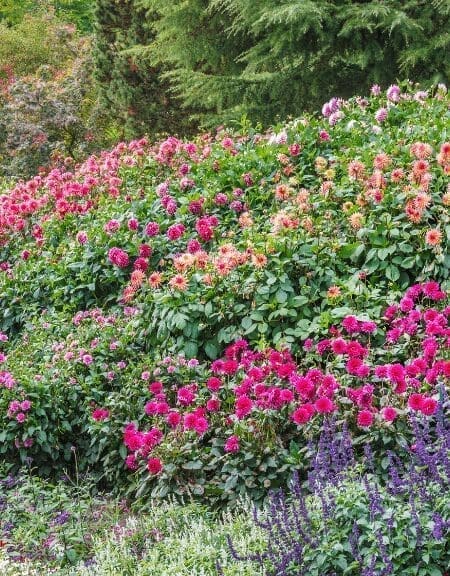
Pollinator gardens do not need to be complicated, but thoughtful design can make them far more effective. One of the most helpful strategies is planting flowers in clusters. Groups of the same plant are easier for pollinators to locate than single scattered flowers.
In prairie landscapes, plants naturally grow in patches. Replicating that pattern in a garden makes it easier for bees and butterflies to move efficiently between flowers.
Providing blooms across the entire growing season also helps sustain pollinators from early spring through fall.
A Backyard Habitat in Lincoln
Over the years my garden has grown into a fairly large pollinator habitat that supports a wide range of insects and wildlife. It now includes many prairie plants along with flowering species that bloom throughout the growing season. Monarch butterflies regularly visit the milkweed patches. Native bees move steadily through coneflowers and bee balm. Goldfinches often perch on seed heads later in the season.
My garden has even been recognized as a Certified Wildlife Habitat by the National Wildlife Federation and by the Nebraska Wildlife Federation. Seeing this level of activity in a backyard garden continues to remind me how responsive wildlife can be when habitat is restored. Across Lincoln, many other gardens and native plantings are appearing as well. Together these spaces help recreate small pieces of prairie habitat within the city.