Pollinators are easy to appreciate in a garden filled with flowers, but their importance reaches far beyond backyard landscapes. While working in my pollinator garden here in Lincoln, Nebraska, I spend a lot of time watching bees move from flower to flower. Monarch butterflies drift through the milkweed patches in summer. Bumblebees weave through coneflowers and bee balm. These moments feel peaceful and local, yet the work those insects are doing connects directly to something much larger.
Pollination plays an essential role in agriculture and food production. Many of the fruits, vegetables, and nuts that appear in grocery stores and farmers markets depend on pollinators to produce healthy crops. The same insects visiting prairie flowers in a garden are also helping support the food system that feeds communities around the world.
Pollination and Crop Production
Pollination is the process that allows flowering plants to reproduce. When insects move pollen from one flower to another, fertilization can occur and seeds or fruits can develop. Pollinators help reproduce more than seventy-five percent of flowering plants, including many crops grown for food. Without pollinators, many plants would struggle to produce fruit or seeds. Yields would decline and crop quality would suffer.
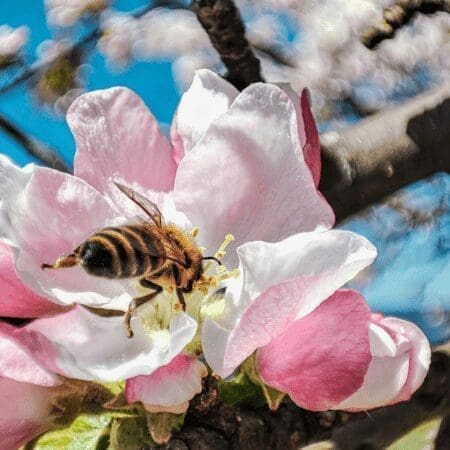
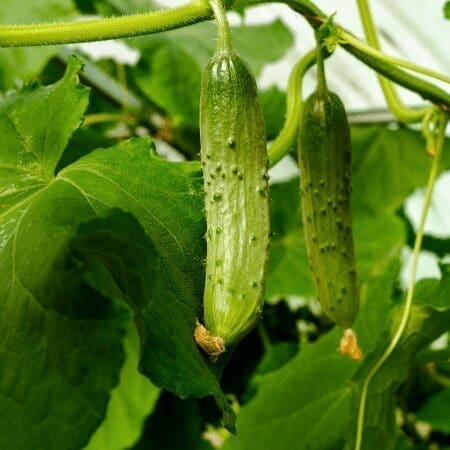
Many familiar foods depend heavily on pollination. Crops such as apples, blueberries, almonds, squash, cucumbers, and melons all rely on insects to transfer pollen between flowers. Even crops that can technically self-pollinate tend to produce larger and healthier harvests when pollinators are present. I cannot stress enough how essential pollinators are in both biodiversity and agriculture.
Wild Pollinators and Agriculture
When people think about crop pollination, honeybees usually come to mind. Honeybees certainly contribute to agricultural pollination, but they are only part of the story. Wild pollinators also play an important role in crop production. Native bees, butterflies, moths, beetles, and other insects visit agricultural crops while searching for nectar and pollen. These visits help move pollen between plants and improve crop yields.
A Snapshot From My Neighborhood
One of the most interesting things I have observed is how pollinators connect neighboring gardens. My own garden focuses heavily on native flowers and prairie plants that support pollinators and wildlife. Some of my neighbors, on the other hand, maintain vegetable gardens filled with tomatoes, squash, cucumbers, and peppers. Even though our gardens have different goals, they share the same pollinators.
Bees that visit flowers in my garden regularly travel across nearby yards. It is easy to watch them leave one garden and continue on to the next. In many cases they move directly toward the vegetable gardens nearby. Those insects are not distinguishing between wildlife gardens and food gardens. To them, the neighborhood is simply a connected landscape filled with flowers and resources.
Because of that, pollinator habitats and vegetable gardens support one another. Flower gardens provide nectar and pollen that sustain pollinators throughout the season. Vegetable gardens provide additional flowers that benefit from those same pollinators. Seeing that interaction unfold across neighboring yards offers a small but powerful snapshot of how pollination works across larger landscapes.
Honey Bees and a Possible Connection to East Campus
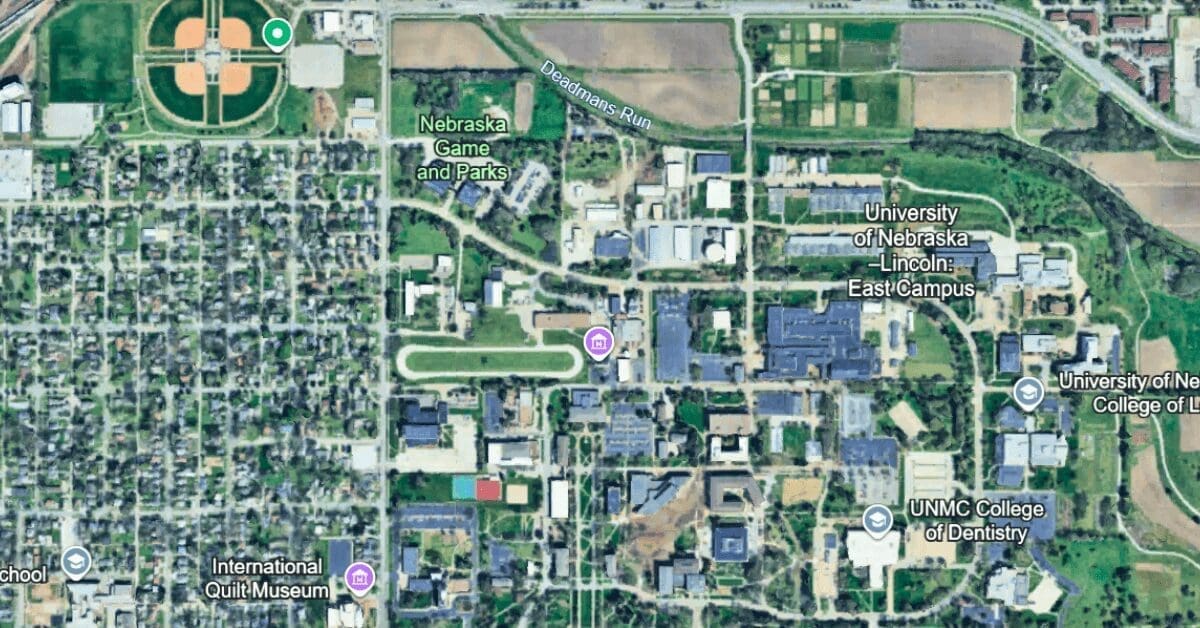
Another observation I have made in my garden involves honey bees. Unlike many of the native bees that nest nearby, honey bees travel much farther from their hives while searching for food. Honey bees can forage several miles from their colony. The University of Nebraska Lincoln’s East Campus maintains honey bee hives not far from my neighborhood. I do not have direct proof that the honey bees visiting my garden come from those hives, but the possibility seems very likely.
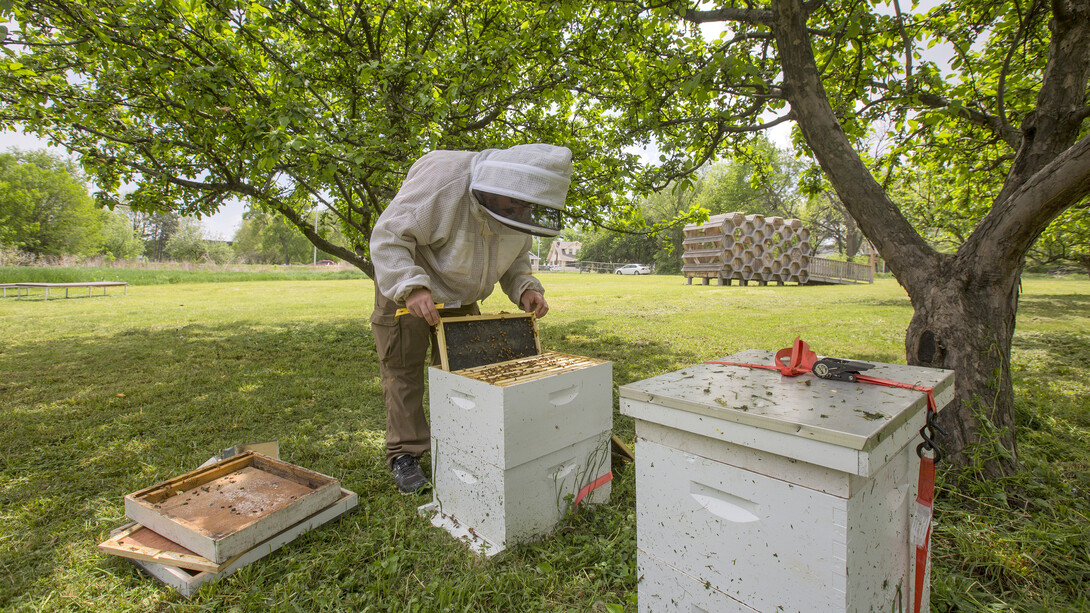
Photo Credit: Troy Fedderson | University Communication | Dustin Scholl, apiary manager, searches for the queen in a hive on East Campus. This season, the university's Bee Lab will distribute and monitor more than 200 hives to locations across Nebraska.
Honey bees frequently appear among the flowers in my garden, especially during peak bloom periods when coneflowers, bee balm, and other nectar plants are abundant. Because honey bees can travel significant distances, it seems entirely possible that some of them are making the trip from East Campus to forage in surrounding neighborhoods.
While this is still a personal observation rather than a confirmed fact, the pattern of activity strongly suggests that my garden may be part of the larger foraging landscape those bees rely on. If that is true, then the flowers here are supporting pollinators that may also visit vegetable gardens, orchards, and agricultural crops elsewhere in the city.
Habitat Loss and Food Security
Pollinators face several challenges today, including habitat loss, pesticide exposure, and climate change. As natural habitats disappear, pollinators lose the flowers and nesting sites they depend on. When these populations decline, the effects can ripple through ecosystems and agriculture alike.
Many farms benefit from nearby natural areas or pollinator habitats that support insects throughout the growing season. Prairie plantings, wildflower strips, and pollinator gardens can all help provide nectar sources and shelter.