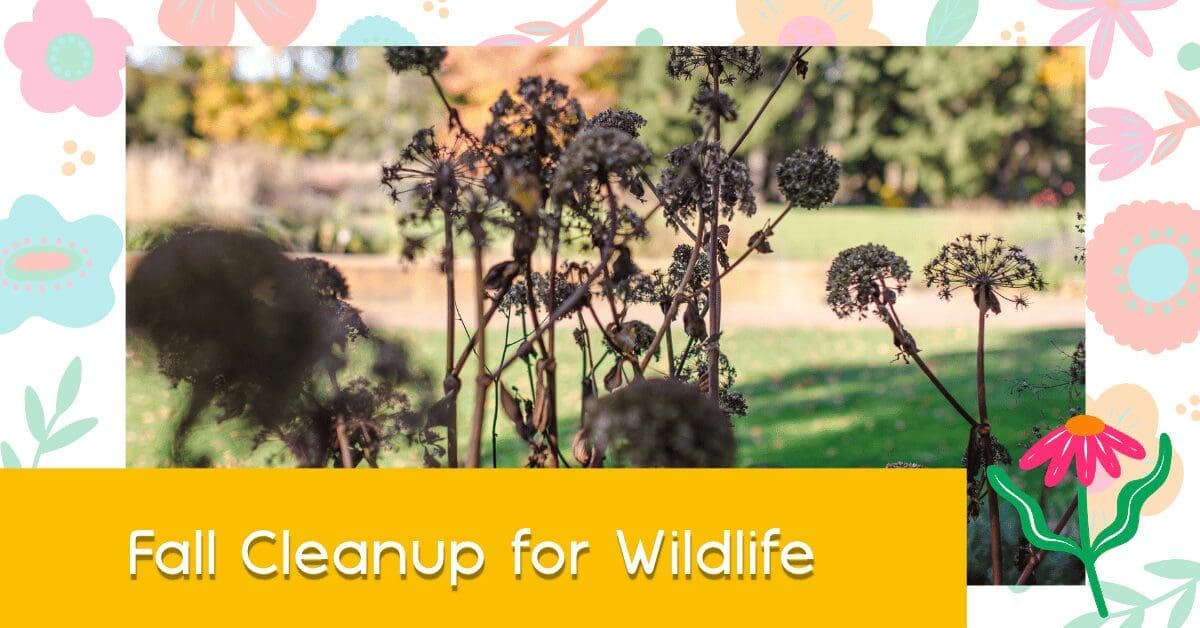
By late October, most of my garden has gone to seed, and the leaves are coming down fast. The coneflowers are dark seed heads now, the milkweed pods have split open, and the grasses have turned shades of rust and gold.
This is the time of year when many yards get a thorough cleanup: everything cut to the ground, every leaf raked and bagged, the beds left bare and tidy for winter. In my garden, fall cleanup looks different. Much of it comes down to deciding what not to do, because so much of the life in a pollinator garden spends the winter right where it is.
What I leave alone
The leaves. A layer of fallen leaves is winter housing. Bumblebee queens spend the cold months alone, tucked just below the surface in loose soil and leaf litter, waiting to start new colonies in spring. Many moths overwinter in the same place. The luna moth spins its cocoon among fallen leaves, and woolly bear caterpillars curl up underneath them until the weather warms. Firefly larvae spend the winter in the soil and leaf litter too, which is one reason fewer yards see fireflies than they used to. Raking the beds bare removes all of that shelter at once.
The leaves also do quiet work for the soil. As they break down over the winter and spring, they feed the soil, hold in moisture, and protect plant roots from hard freezes.
The soil. I don’t till or turn over the beds in fall. Roughly 70 percent of native bee species nest in the ground, and by now many of them are sealed into their nests for the winter. Digging through the beds can destroy those nests before the bees ever have a chance to emerge.
The stems and seed heads. I leave most plants standing until spring. The seed heads feed birds through the winter, and the hollow stems give some native bees a place to nest. I wrote more about that hidden life in Winter Stems and Hidden Life. Standing plants also catch snow, which insulates the ground, and they give the garden some shape and texture when everything else is gray and brown.
What I still do
Leaving the garden alone doesn’t mean doing nothing. There are a few fall tasks I always make time for.
I move leaves to where they help. Leaves on the lawn can smother grass, and leaves on paths and patios get slippery. Instead of bagging them, I move them onto the garden beds, where they become part of that winter layer.
I collect seeds. Late fall is the time to gather seeds from native plants like coneflowers, black-eyed Susans, and milkweed. I cut a few dry seed heads on a sunny afternoon, let them finish drying indoors in paper bags, then label and store the seeds somewhere cool and dry. Many native seeds need a cold period before they’ll sprout, so I either sow some outside before winter or keep them in the refrigerator until spring. I always take only a small share and leave plenty of seed heads standing for the birds.
I remove invasive weeds. Fall is a good time to spot invasive plants, because some stay green after the native plants have gone dormant. Bush honeysuckle, for example, often keeps its leaves well into fall, and garlic mustard shows up as small green rosettes close to the ground. I pull what I can, and I bag anything that has already set seed rather than composting it, so it doesn’t spread. Clearing them out now gives the native plants more room next year.
I water new plantings. Anything planted this year still has a young root system. If the fall turns dry, I keep watering until the ground freezes so those plants go into winter healthy.
I keep water available. A shallow dish or birdbath gives birds and other wildlife a place to drink when natural water is scarce or frozen. Water is one of the basic needs a certified wildlife habitat provides all year, not just in summer.
I build a small brush pile. Fallen branches and a few cut stems, stacked loosely in a corner, give birds, rabbits, and insects shelter from wind and snow.
A different kind of tidy
The garden looks a little untidy through the winter, and that’s the point. What looks like a mess from the sidewalk is full of sleeping bees, cocoons, seeds and shelter. Most of the life in it is out of sight now, waiting for spring.
In March or April, once daytime temperatures stay warm and the insects have had a chance to wake up and move on, I’ll cut back the old stems and make room for new growth. Until then, the garden gets to rest.