Living in Lincoln, Nebraska has given me a unique view of prairie landscapes. Even within a city, the prairie still shows itself. It appears along bike trails, in restored prairie patches, in native gardens, and sometimes even in unexpected corners of neighborhoods.
Over the years I have come to think of Lincoln as part of an urban prairie, where native plants, pollinators, and wildlife continue to find space among homes, parks, and streets. Watching those landscapes change throughout the year has helped me understand how dynamic prairie ecosystems really are.
Tallgrass prairie once covered roughly 170 million acres across North America, stretching across much of the Midwest and Great Plains. Today, less than four percent of that original prairie remains, which makes prairie restoration projects, native plant gardens, and urban habitats even more important.
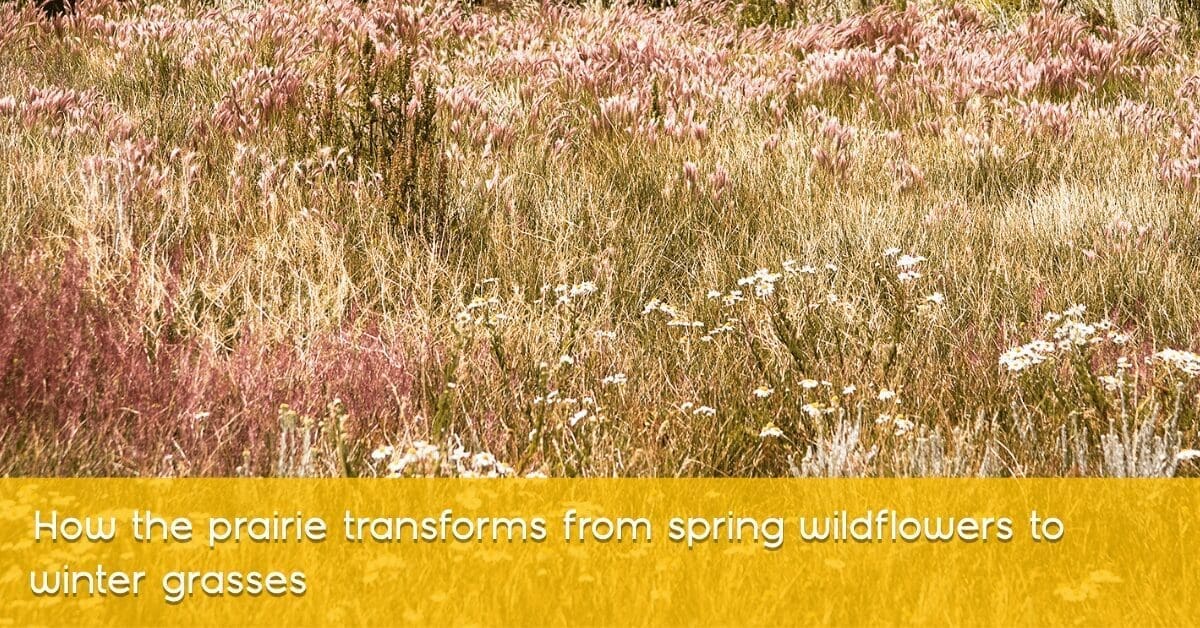
The prairie follows a seasonal rhythm shaped by sunlight, rainfall, and wind. Plants emerge, bloom, set seed, and rest again. Pollinators return in spring, birds migrate through in autumn, and grasses shift colors as the year moves forward. Even inside a city like Lincoln, those rhythms are easy to see if you take the time to notice them.
Spring: Renewal and Early Blooms
Spring arrives slowly on the prairie. In Lincoln, the first warm days often come while last year’s prairie grasses are still standing. The landscape looks quiet at first, but beneath the soil prairie plants are already preparing for another growing season.
Many prairie plants develop root systems that extend eight to fifteen feet deep into the ground, helping them survive drought, wind, and temperature swings that are common across the Great Plains.
When spring finally takes hold, small green shoots begin to appear among last year’s stems. In prairie plantings around Lincoln parks and trails, early wildflowers begin to emerge.
Some of the plants that often appear early include:
Prairie Violet (Viola pedatifida)
Prairie Clover (Dalea purpurea)
Purple Coneflower (Echinacea purpurea)
Young Milkweed (Asclepias spp.) shoots
These early blooms play an important role for pollinators returning after winter. North America is home to more than 4,000 species of native bees, many of which begin searching for nectar as soon as temperatures allow them to fly.
Bumblebees are often among the first pollinators I notice in early spring around Lincoln gardens and prairie spaces. Their ability to fly in cooler temperatures allows them to visit flowers weeks before many other insects appear.
After months of winter grasses, seeing those first bees moving through spring flowers always feels like the prairie waking up again.
Summer: Full Bloom and Pollinator Activity
By summer, prairie landscapes across eastern Nebraska become vibrant with color and activity. Even in urban spaces around Lincoln, restored prairie areas and native gardens fill with blooming flowers and tall grasses.
Prairie ecosystems support remarkable plant diversity. A single acre of native prairie may contain 40 to 60 different plant species growing together, creating habitat for countless insects and wildlife.
Common summer prairie flowers around Lincoln include:
Purple coneflowers (Echinacea purpurea)
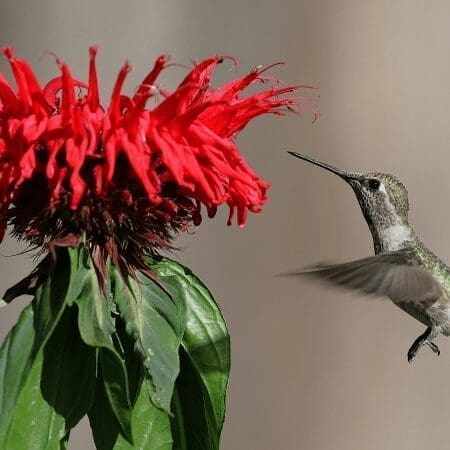
Bee Balm (Monarda species)
Black-eyed Susan (Rudbeckia Hirta)
Prairie blazing star (Liatris pycnostachya)
Butterfly milkweed (Asclepias tuberosa)
Each flower attracts a different group of pollinators including bees, butterflies, and hummingbirds. Bees rely heavily on visual signals when locating flowers. Many species can detect ultraviolet nectar patterns on petals, which guide them toward nectar hidden inside the bloom.
Summer is also when prairie grasses reach their full height. Big bluestem (Andropogon gerardii), switchgrass (Panicum virgatum), and Indian grass (Sorghastrum nutans) form sweeping waves across prairie areas, even within urban spaces.
Walking or biking along Lincoln’s trails during summer reveals just how alive these habitats are. Bees move constantly from flower to flower, butterflies drift through patches of wildflowers, and birds search the grasses for insects.
Autumn: Seeds, Grasses, and Migration
Autumn brings another transformation to prairie landscapes across Nebraska. Flower colors begin to fade, and prairie grasses shift into warm shades of gold, bronze, and copper. Seed heads begin forming across the prairie, preparing the next generation of plants. Milkweed plants (Asclepias spp.) provide one of the most recognizable autumn sights. Their seeds attach to silky fibers that catch the wind and carry them across open landscapes.
Autumn is also the season when monarch butterflies (Danaus plexippus) pass through Nebraska during their migration south. Monarch butterflies can travel up to 3,000 miles during their annual migration, moving from northern parts of North America toward overwintering forests in central Mexico.
Seeing monarchs moving through Lincoln each fall is a reminder of how connected prairie habitats are across the continent. Even urban gardens can serve as important nectar stops during this long journey.
Prairie grasses reach their most dramatic stage during autumn. Their tall seed heads feed birds and small wildlife while creating the golden prairie landscapes that define much of the Midwest.
Winter: Quiet Landscapes and Resilience
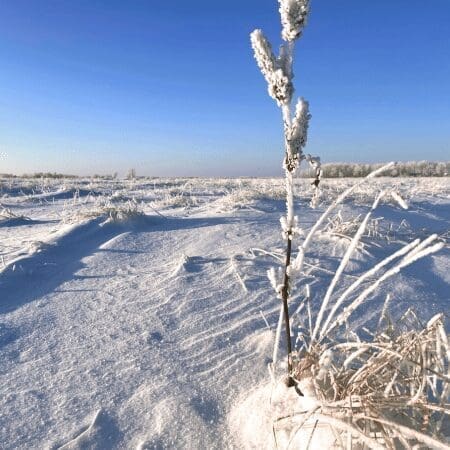
Winter brings a quieter form of beauty to the prairie. Across Lincoln, prairie plantings in parks, natural areas, and gardens remain standing through snow and wind. Frost collects along grass stems and seed heads, creating patterns that are easy to overlook during warmer months. Prairie plants survive winter by storing energy underground. Their deep root systems protect them from freezing temperatures and allow them to regrow when spring returns.
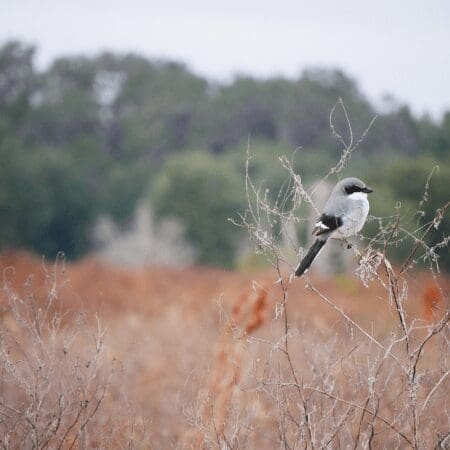
Even during winter, prairie habitats continue to support wildlife. Standing grasses and plant stems provide shelter for insects, nesting spaces for solitary bees, cover for small mammals, and seeds for birds such as American goldfinches (Spinus tristis).
Some native bees nest inside hollow plant stems or tunnels in wood. Leaving stems standing through winter helps support these species until spring returns. Winter prairie landscapes may appear quiet, but life continues beneath the soil and within plant stems, waiting for warmer days.
Prairie Landscapes as Inspiration
Watching prairie landscapes change throughout the seasons has influenced many of the colors and textures I use when designing items for Pixel Prairie Co.
Spring brings soft greens and the first flower colors. Summer introduces bold wildflower tones from plants like purple coneflower (Echinacea purpurea) and bee balm (Monarda fistulosa). Autumn adds warm colors from prairie grasses such as big bluestem (Andropogon gerardii). Even winter provides inspiration through the textures of frost-covered stems and wind-swept grasses.
My pollinator garden near UNL East Campus here in Lincoln reflects many of these seasonal changes. Flowers bloom from spring through late autumn, supporting bees, butterflies, and other beneficial insects throughout the growing season. Observing those patterns throughout the year reminds me that prairie landscapes are always changing. Nature’s seasonal rhythm often creates the most beautiful color palettes.