When most people picture a prairie, they often imagine fields of colorful wildflowers or butterflies drifting through the landscape. But the true foundation of the prairie is something quieter and far more powerful.
Prairie grasses.
Spending time in my pollinator garden here in Lincoln, Nebraska, has helped me see just how important these plants are. Wildflowers may bring bursts of color, but prairie grasses provide the structure that holds the entire ecosystem together.
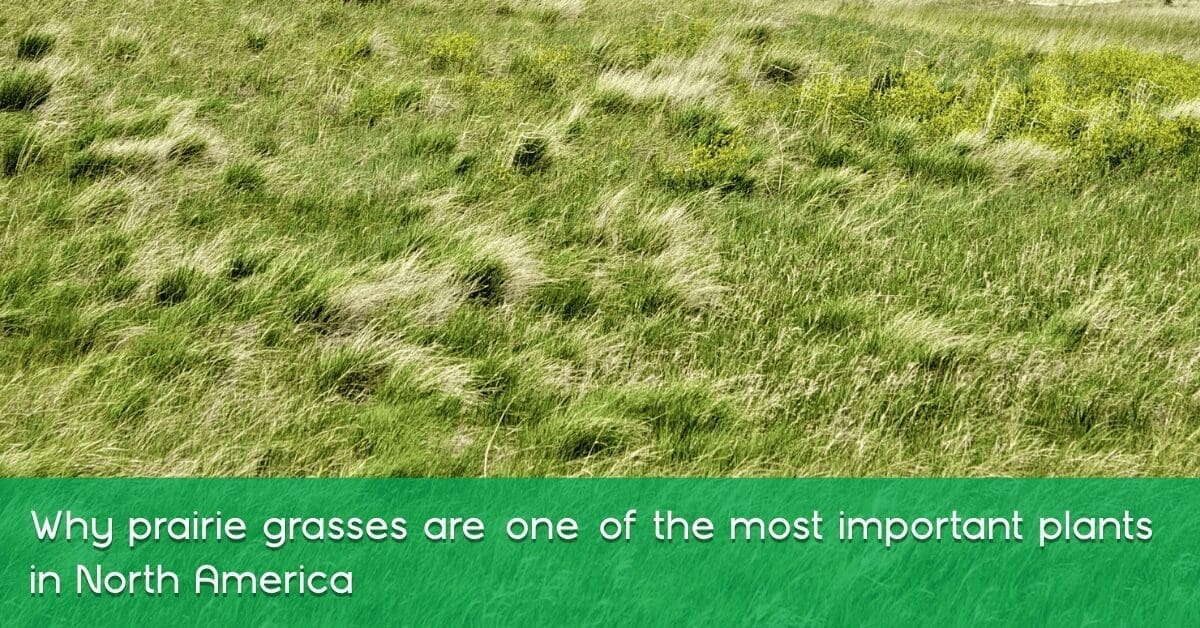
Grasses sway across the landscape, shaping the prairie in ways that are easy to overlook. They anchor the soil, support wildlife, and quietly maintain the health of the ecosystem below the surface. The prairie may look open and simple at first glance, but much of its strength lies hidden underground.
Deep Roots and Soil Health
One of the most remarkable features of prairie grasses is their root systems. While prairie grasses grow taller above the soil during the summer, their roots extend much deeper below the surface. Many prairie plants develop roots that can reach eight to fifteen feet deep in the soil, far deeper than most garden plants.
These deep roots help prairie grasses survive drought, strong winds, and seasonal weather changes common across the Great Plains. In my garden, I have noticed how resilient native grasses are once they become established. Even during dry Nebraska summers, these plants continue growing because their roots reach water stored deep underground.
Preventing Erosion
Deep prairie roots also play an important role in stabilizing soil. These roots hold soil in place during heavy rains and strong winds. Over time they help prevent erosion across prairie landscapes. Historically, prairie grasses helped build some of the richest soils in North America through thousands of years of plant growth and decomposition.
Storing Carbon
Prairie grasses also contribute to long-term soil health by storing carbon underground. Their extensive root systems store organic material in the soil, which helps improve soil fertility while also playing a role in natural carbon storage. Much of the prairie’s ecological power lies in these underground systems that continue growing long after the visible plants fade each winter.
Grasses as Wildlife Habitat
Prairie grasses do far more than support soil. They also create essential habitat for wildlife. Walking through prairie plantings around Lincoln, I often notice how many animals rely on grasses for shelter and protection.
Western Meadowlark (Sturnella neglecta)
Bumblebee nest in the ground
Banded Garden Spider (Argiope trifasciata)
Nesting Birds
Many prairie birds build nests among tall grasses where they remain hidden from predators. Species such as the western meadowlark (Sturnella neglecta) and grasshopper sparrow (Ammodramus savannarum) rely on prairie grasslands for nesting habitat.
Shelter for Insects
Prairie grasses also create important shelter for insects. Many beneficial insects spend part of their life cycles within prairie vegetation. Some native bees nest inside hollow plant stems or tunnels within plant material. These small habitats are easy to overlook, but they support an incredible number of species.
Food Sources
Grasses also provide food for wildlife. Birds feed on seeds from grasses and prairie flowers, while small mammals move through the vegetation collecting seeds and plant material. Even insects depend on grasses as host plants and shelter.
Prairie Grasses Through the Seasons
Prairie grasses bring a different kind of beauty to the landscape throughout the year. Wildflowers may bloom for only a few weeks, but grasses create structure across the prairie during every season.
Several native grasses are especially important across the Great Plains.
These include:
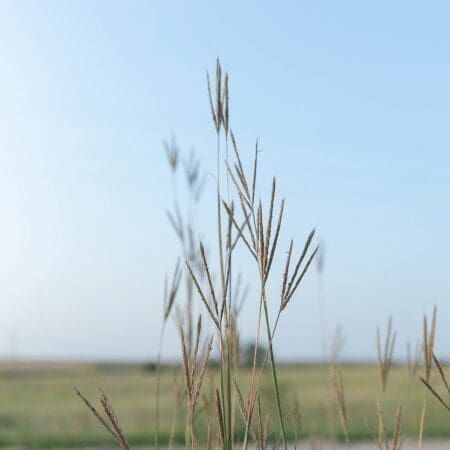
Big bluestem (Andropogon gerardii)
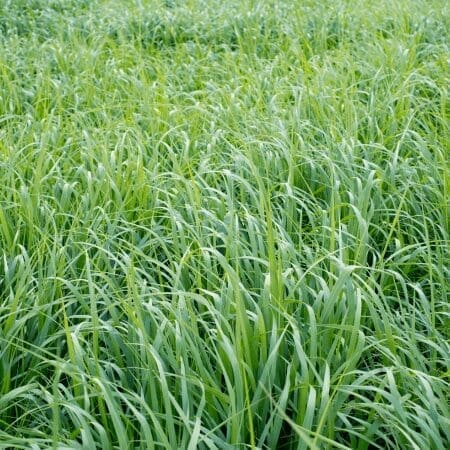
Switchgrass (Panicum virgatum)
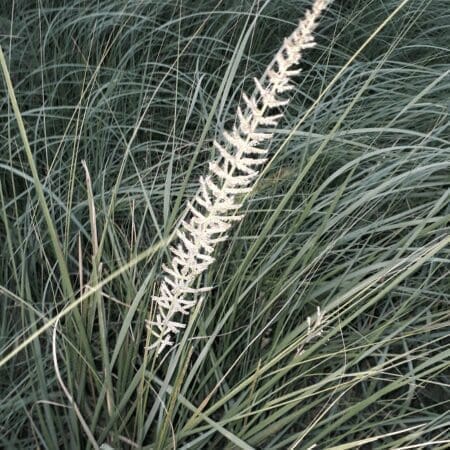
Indian grass (Sorghastrum nutans)
During the summer, these grasses grow tall, forming sweeping waves across prairie landscapes. In autumn their colors shift into shades of gold, copper, and bronze. Wind moving through the grasses creates patterns that travel across the prairie like ripples on water.
Even during winter, prairie grasses remain standing. Frost collects along their stems and seed heads, creating delicate patterns against the snow. These plants continue providing shelter for insects and wildlife long after the growing season ends. Watching these seasonal changes has helped me appreciate how prairie grasses contribute to both the ecology and the visual beauty of prairie landscapes.
Prairie Grasses as Inspiration
Prairie grasses also influence the way I approach design at Pixel Prairie Co. While wildflowers often inspire color, grasses often inspire texture and movement. The tall stems of big bluestem (Andropogon gerardii) or the soft seed heads of switchgrass (Panicum virgatum) create patterns that feel subtle but striking. Standing among prairie grasses while the wind moves through them often feels like watching the landscape breathe. Those quiet textures frequently inspire design ideas in unexpected ways.