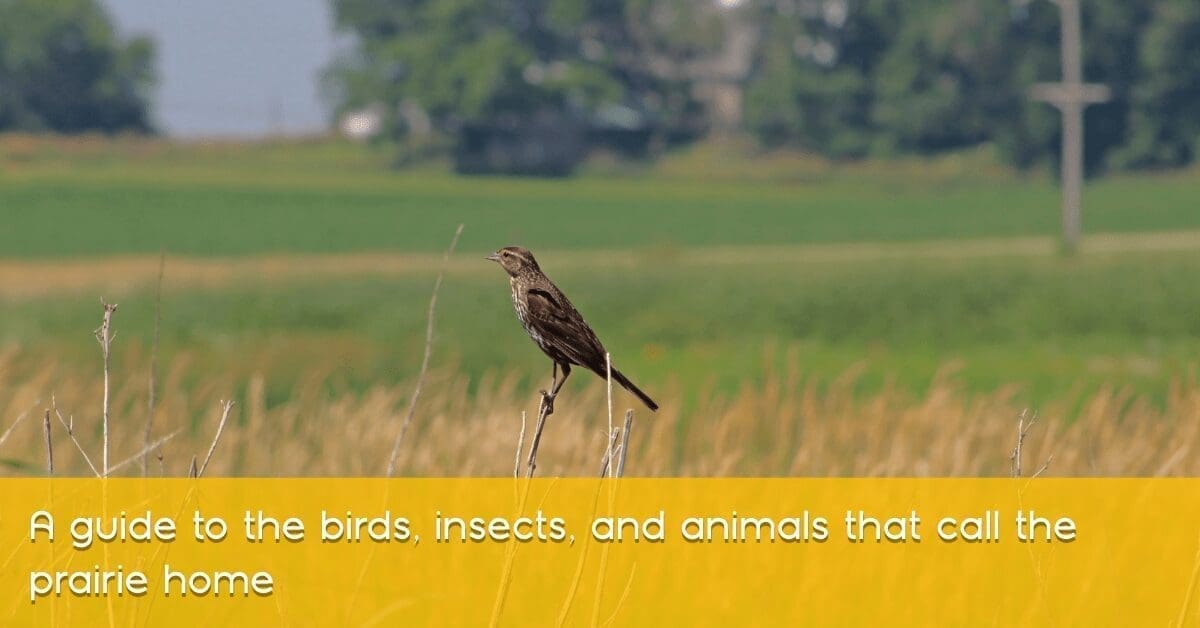
One of the things I appreciate most about prairie landscapes is how much wildlife they support. At first glance the prairie can look open and quiet, but once I start paying attention I notice movement everywhere. Bees move through the flowers. Butterflies drift across the garden. Birds perch on tall grasses or circle overhead. Even small mammals move quietly through the stems and grasses below.
Here in Lincoln, Nebraska, I see these interactions unfolding in my own pollinator garden and in prairie restoration areas around the city. These spaces may seem small compared to historic prairie landscapes, but they still support an incredible variety of wildlife. Prairie ecosystems support hundreds of species of flowering plants, and that plant diversity creates habitat for insects, birds, and animals throughout the landscape.
Spending time observing prairie wildlife has helped me understand how interconnected these ecosystems really are.

Pollinators of the Prairie
Pollinators are often the first wildlife I notice when I step into my garden. Prairie wildflowers attract an incredible variety of insects, many of which play important roles in pollination and ecosystem balance. North America is home to more than 4,000 species of native bees, many of which rely on prairie flowers for nectar and pollen. In my garden, I regularly see multiple species of solitary bees. They are very docile, and I don’t get frightened when they land on me. However, bees are not the only pollinators in prairie ecosystems!
Butterflies
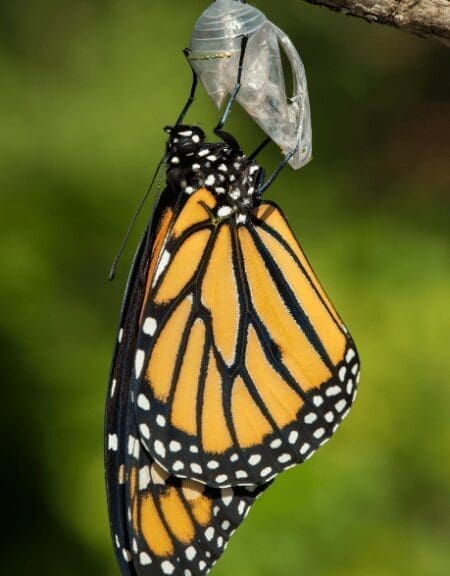
Butterflies are frequent visitors to prairie habitats. Monarch butterflies (Danaus plexippus) are especially recognizable across Nebraska during their annual migration. Monarch caterpillars depend entirely on milkweed plants (Asclepias spp.) to grow and develop. Without milkweed, monarch populations cannot survive. Seeing monarchs appear in my garden always reminds me how important even small prairie habitats can be.
Moths and Other Beneficial Insects
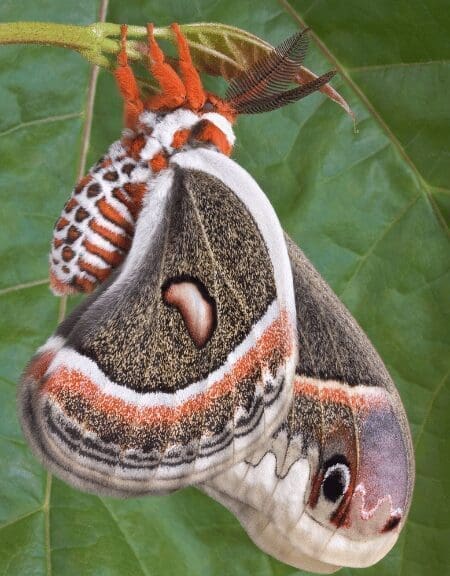
Many pollinators are active at times we rarely notice. Moths visit flowers at night and help pollinate many plant species. Other beneficial insects such as beetles and flies also contribute to pollination. Praying mantises and lady beetles sometimes appear in prairie gardens as well, helping control pest insects while contributing to the balance of the ecosystem. When I spend time watching the flowers closely, it becomes clear how many different species rely on prairie plants.
Prairie Birds
Birds are another important part of prairie ecosystems. Many species rely on prairie habitats for nesting, feeding, and migration stops. Birds often perch on grasses or flower stems while searching for insects among the plants. One of the most iconic prairie birds is the western meadowlark (Sturnella neglecta). Its song often carries across open fields and grasslands.
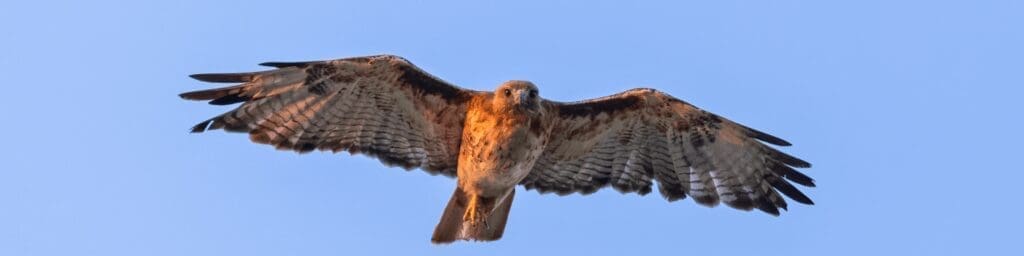
Sparrows are also common prairie birds. Species such as the grasshopper sparrow (Ammodramus savannarum) nest among grasses and rely on prairie habitats for shelter. Birds of prey also appear across prairie landscapes. Hawks such as the red-tailed hawk (Buteo jamaicensis) circle above open grasslands searching for small mammals.
Birds rely heavily on insects for feeding their young, which makes prairie habitats rich feeding grounds during nesting season. Watching birds move through prairie spaces reminds me how closely plant life and wildlife are connected.
Small Mammals and Prairie Residents
Not all prairie wildlife is simple to spot. Many animals live quietly among grasses and underground burrows. Several small mammals play important roles in prairie ecosystems.
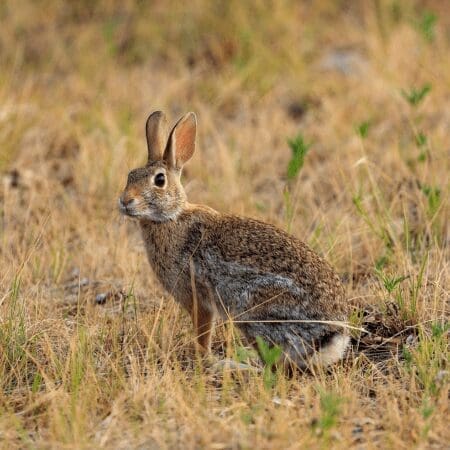
Rabbits
Eastern cottontail rabbits (Sylvilagus floridanus) appear in gardens and grassy areas around Lincoln. They rely on vegetation for food and shelter. Many people don’t like it when they decimate their plants, but I welcome them to my garden.
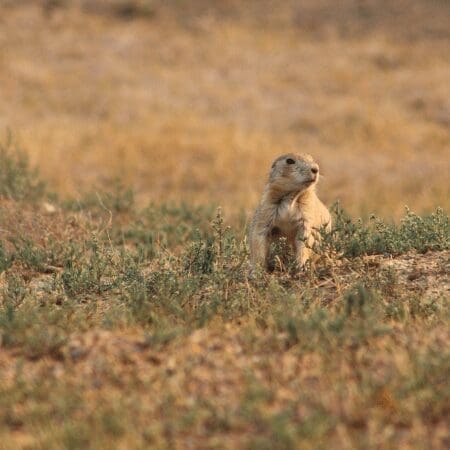
Prairie Dogs
Prairie dogs (Cynomys ludovicianus) are famous prairie residents across the Great Plains. Their burrowing systems create underground habitats that benefit many other species.
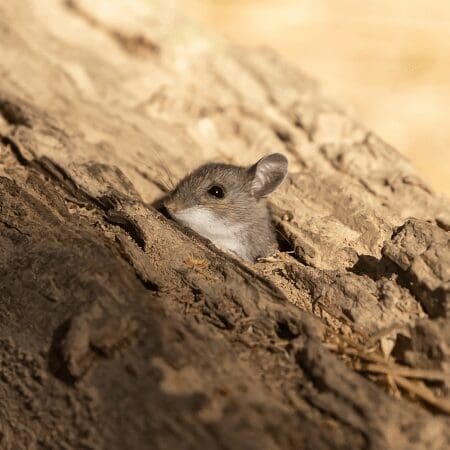
Field Mice
Small rodents such as the deer mouse (Peromyscus maniculatus) move quietly through prairie grass and feed on seeds from flowers and grasses.
These animals may be small, but they play important roles in seed dispersal and soil activity within prairie ecosystems. I notice signs of these animals long before I see them directly, whether it is movement through grasses or small burrow openings near plants.
Why Wildlife Matters to Prairie Ecosystems
Wildlife plays an essential role in maintaining prairie ecosystems. Each species contributes to ecological balance in different ways. Pollinators help plants reproduce. Birds control insect populations. Small mammals distribute seeds and interact with soil systems. Prairie ecosystems evolved through complex interactions between plants, animals, climate, and natural disturbances such as fire.
Because prairie habitats have declined dramatically across North America, protecting these ecosystems has become increasingly important. Even small prairie habitats within cities can provide valuable refuge for wildlife. I see such events happening in my pollinator garden. Bees, butterflies, birds, and insects all appear throughout the growing season, using the plants for food and shelter. Moments like that remind me that prairie ecosystems continue to thrive when we make space for them.

Wildlife Inspiration at Pixel Prairie Co.
Wildlife is also one of the themes that frequently inspires designs at Pixel Prairie Co. Butterflies drifting through prairie flowers, birds perched among tall grasses, and bees moving through blooms all create images that stay with me long after I leave the garden. Many of the patterns and imagery that appear in my designs come directly from these everyday observations. Sometimes inspiration comes from the colors of a butterfly wing. Other times it comes from the movement of grasses or the way birds interact with prairie flowers. Nature offers endless inspiration when I take the time to notice it.