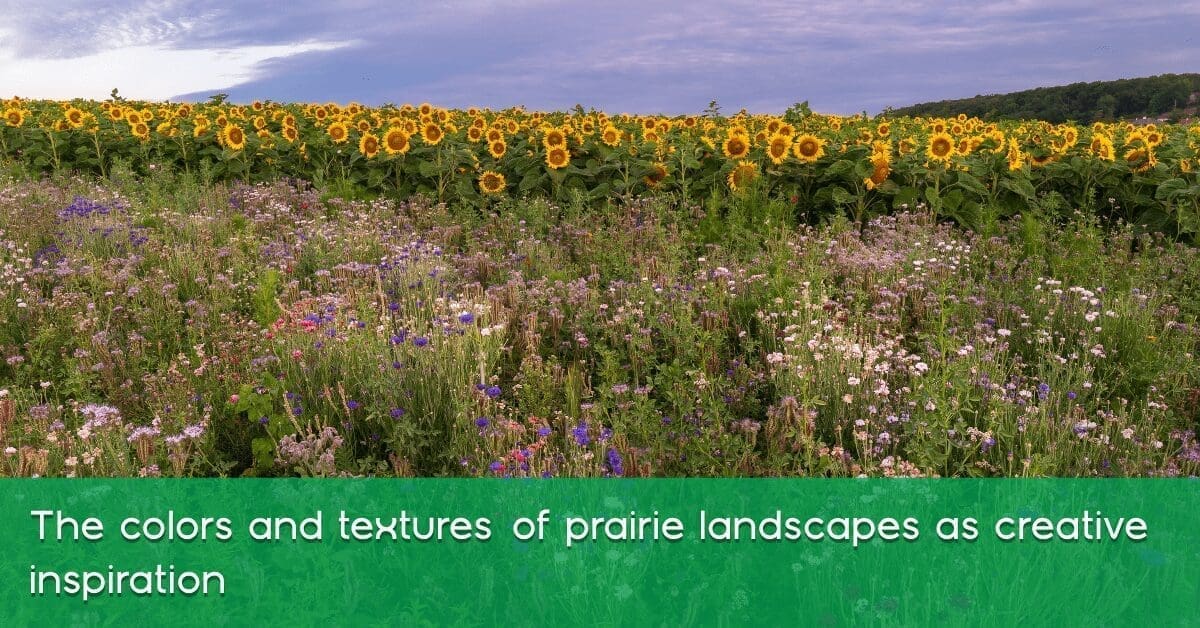
Creative inspiration often begins with observation. For me, the prairie has become one of the most consistent sources of ideas. Living in Lincoln, Nebraska means being surrounded by prairie landscapes in subtle but meaningful ways. Native grasses grow along trails, wildflowers appear in restored prairie patches, and pollinators move steadily through gardens across the city.
Spending time in my pollinator garden has changed the way I notice color and pattern. What once looked like a simple collection of plants now feels like a constantly shifting palette. Prairie landscapes rarely remain the same for long. Flowers bloom and fade throughout the season. Grasses move with the wind. Pollinators travel from flower to flower. Over time I began realizing that many of the most interesting design ideas were already present in the prairie itself.
The Natural Color Palette of the Prairie
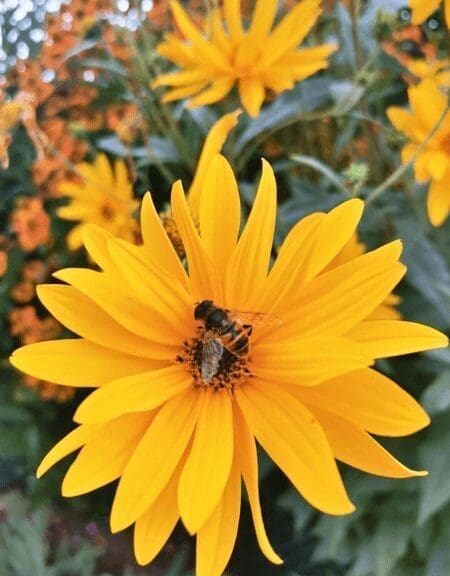
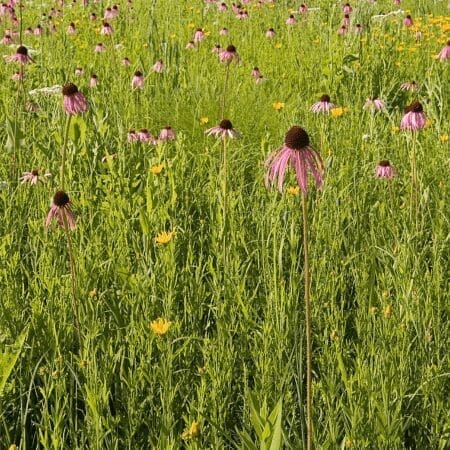
One of the most striking features of prairie landscapes is the range of color that appears throughout the growing season. During summer, prairie wildflowers bring bright and varied hues to the landscape. Purple coneflower, bee balm, prairie blazing star, and black-eyed Susan create combinations of purple, pink, yellow, and lavender across prairie plantings.
These colors are not random. Many prairie flowers evolved bright colors specifically to attract pollinators searching for nectar. Pollinators depend heavily on visual signals when locating flowers. Bees can even detect ultraviolet nectar guides on flower petals that are invisible to the human eye. Those hidden patterns help guide bees toward nectar inside the bloom.
Watching bees move between flowers often reveals how carefully these colors are arranged in nature. Bees may visit hundreds of flowers during a single foraging trip, moving steadily across the garden throughout the day. What appears to us as a beautiful color palette is also a carefully evolved communication system between plants and pollinators.
Prairie Grass Tones and Textures
While wildflowers provide bursts of color, prairie grasses shape much of the landscape’s texture and tone. Grasses such as big bluestem, switchgrass, and Indian grass form the structural backbone of prairie ecosystems. Their tall stems create the sweeping movement that many people associate with prairie landscapes.
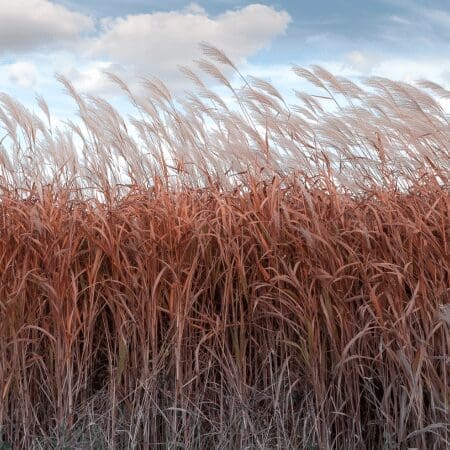
Standing among these grasses on a windy day can feel like watching the land breathe. Waves move across the stems as the wind passes through them. The colors of prairie grasses also shift throughout the year. Early in the growing season, grasses appear in fresh shades of green. By late summer and autumn they transition into warm tones of gold, bronze, and copper.
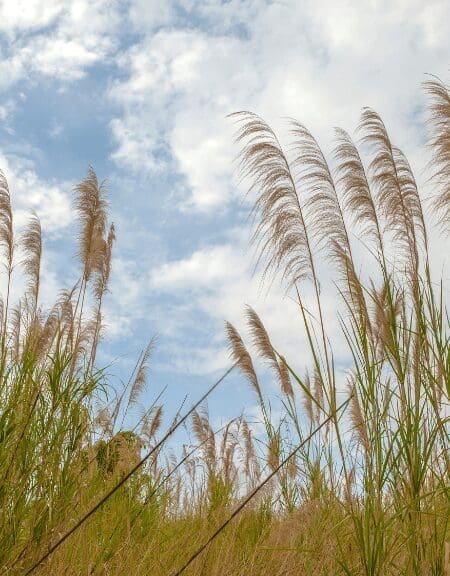
These softer earth tones often balance the brighter colors of prairie flowers. When I begin sketching ideas for designs, I often notice that these prairie colors naturally work well together. Wildflower hues provide bright accents while grass tones create calm backgrounds. Nature seems to assemble its own color palette.
Seasonal Color Changes Across the Prairie
Prairie landscapes are also defined by seasonal change. Each season introduces a different visual character to the landscape.
Spring
Fresh green shoots begin emerging from the soil. Early flowers bring the first small bursts of color to the prairie after winter.
Summer
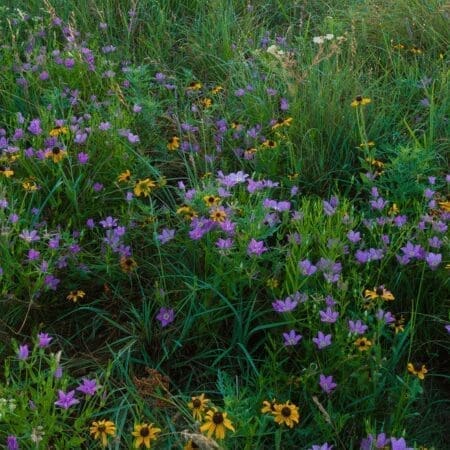
Wildflowers reach their peak bloom. Bees and butterflies move constantly through the flowers while grasses grow tall across the landscape.
Autumn
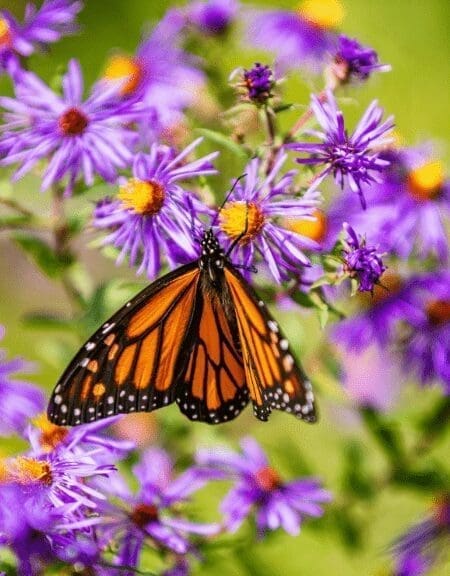
Prairie grasses begin turning shades of gold and copper. Seed heads form across the prairie while migrating butterflies pass through the region.
Winter
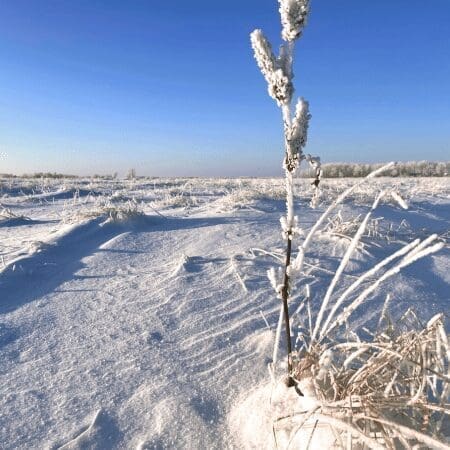
Snow settles among standing grasses and dried flower stems. Seed heads create delicate shapes across the quiet landscape.
Watching these seasonal shifts has helped me appreciate how prairie colors change gradually throughout the year. Design ideas often appear in those transitions.
Prairie Inspiration at Pixel Prairie Co.
Many of the ideas behind Pixel Prairie Co. begin while I am simply spending time in the garden. Sometimes inspiration comes from a color combination I notice among blooming flowers. Other times it appears in the textures of prairie grasses or the patterns found in flower seed heads.
The pollinator garden near UNL East Campus continues to provide a steady source of these ideas. Bees moving through purple coneflower, butterflies drifting between blooms, and grasses swaying in the wind all create moments worth noticing. Those observations often translate into color palettes, shapes, and patterns used in handmade designs.
Prairie landscapes have a way of offering inspiration quietly. The longer you spend observing them, the more ideas seem to appear.