Nature has always been one of the most powerful sources of creative inspiration. Colors, textures, and patterns found in the natural world often appear in art, craft, and design in ways that feel both familiar and meaningful.
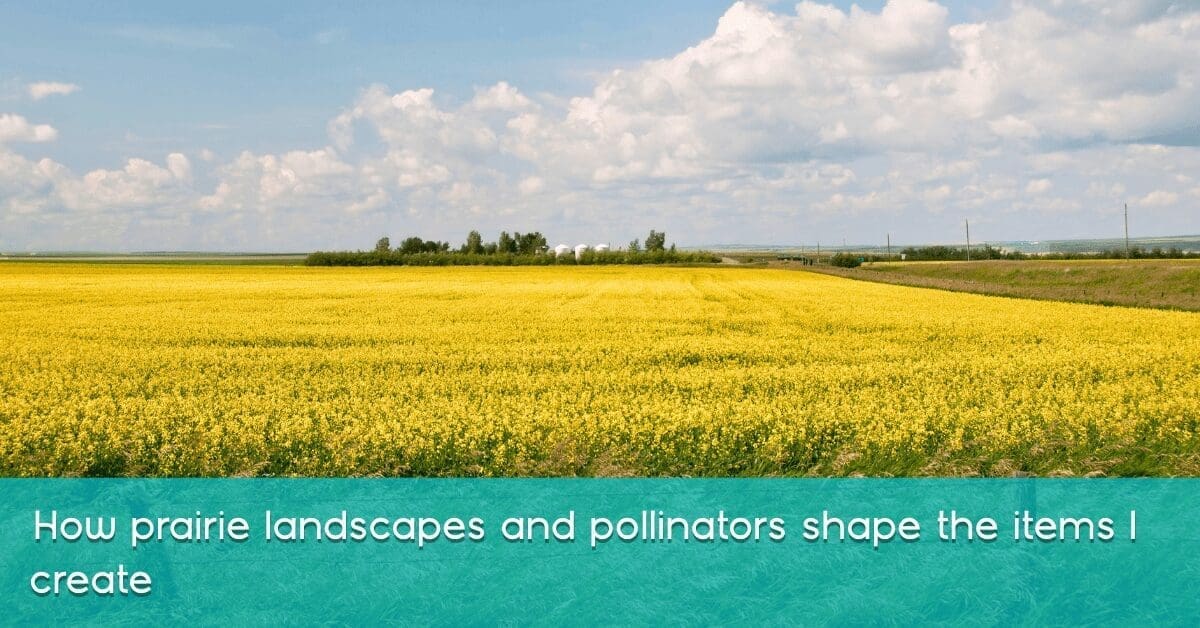
Prairie landscapes offer an especially rich source of inspiration. Wildflowers, grasses, and pollinators create constantly changing scenes across the seasons. A walk through a prairie garden reveals layers of color, movement, and small ecological interactions that are easy to miss at first glance.
Prairie ecosystems support remarkable biodiversity. A single acre of native prairie may contain 40 to 60 different plant species growing together, forming a vibrant community of flowers, grasses, and insects.
Spending time observing those landscapes has influenced many of the ideas behind Pixel Prairie Co. Designs often begin with something simple: the color of a flower, the shape of a butterfly wing, or the way grasses move in the wind. Those small details frequently become the starting point for handmade designs inspired by the prairie.
Prairie landscapes change dramatically throughout the year, and each season introduces its palette of colors. Spring often brings soft greens and early blooms. Summer transforms the prairie into a vibrant mix of purples, yellows, reds, and whites as wildflowers begin to flower. Autumn introduces golden grasses and seed heads that catch the light across open landscapes.
Many prairie flowers evolved bright colors and visual guides that help pollinators find nectar. Bees can even detect ultraviolet patterns on flower petals that human eyes cannot easily see.
Some of the colors commonly seen in prairie landscapes include:
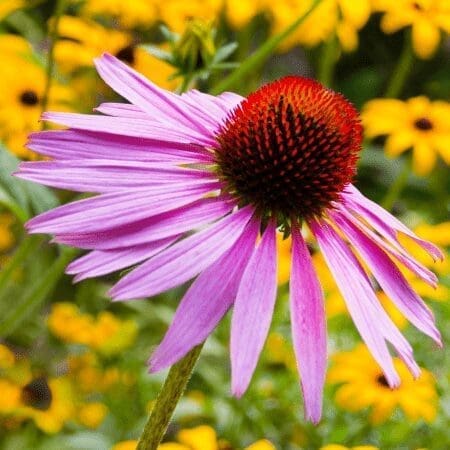
purple from coneflowers and blazing star
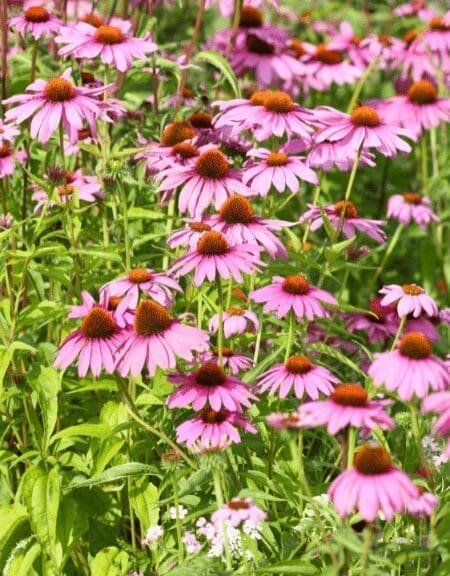
Purple coneflowers (Echinacea purpurea)
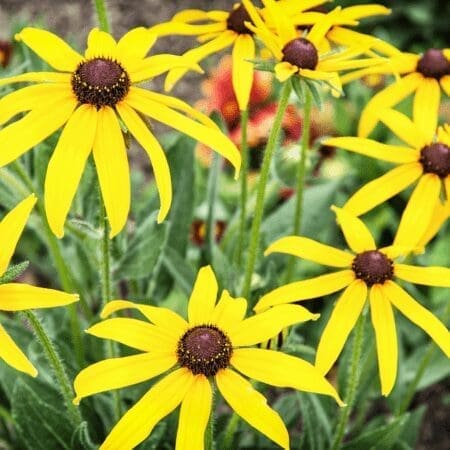
Black-eyed Susan (Rudbeckia Hirta)
bright yellow from black-eyed Susans or goldenrod
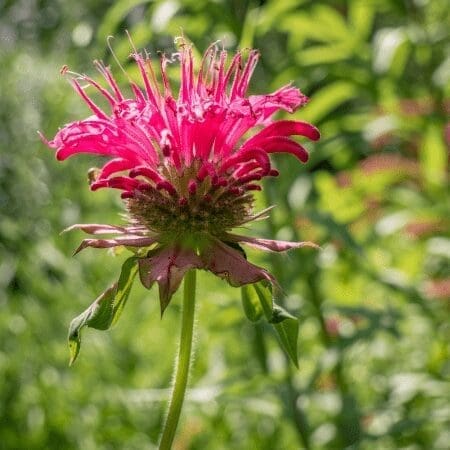
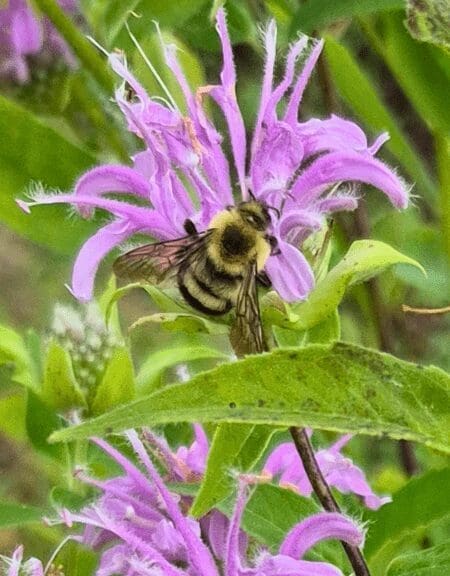
soft pinks and reds from bee balm
Bee balm (Monarda fistulosa)
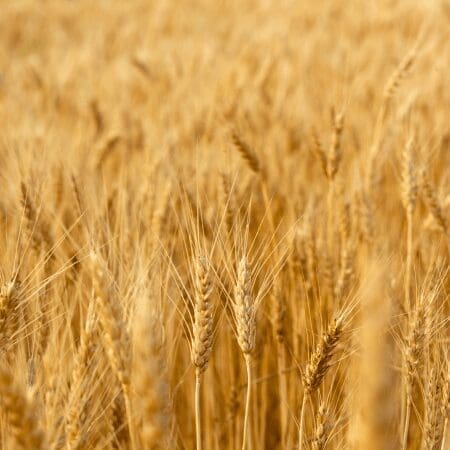
Western wheatgrass (Pascopyrum smithii)
warm gold tones from prairie grasses
Observing these natural color combinations often provides ideas for how different shades can work together in design. Prairie landscapes rarely follow strict color rules. Instead, they create balanced combinations that feel organic and natural. Those natural palettes often influence the colors chosen for handmade creations.
Purple Coneflower (Echinacea purpurea)
Wildflower Patterns
Wildflowers bring more than color to prairie landscapes. Their shapes and patterns create intricate visual details that can easily inspire design ideas. Coneflowers, asters, milkweed blooms, and prairie clover all display unique flower structures. Many wildflowers also evolved shapes that make it easier for pollinators to gather nectar and pollen.
Purple coneflower, for example, blooms for six to eight weeks during summer, offering an extended food source for pollinators. Flower structures include repeating patterns such as radial petals, clustered blooms, or layered flower heads. These natural designs can translate beautifully into visual motifs used in craft and illustration.
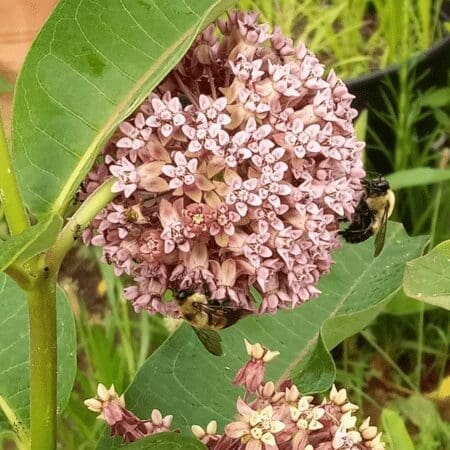
Milkweed flowers provide another example of complex natural design. Milkweed produces a unique pollination structure known as a pollinia, which helps transfer pollen efficiently between flowers. Observing these botanical details often reveals design ideas that feel both intricate and balanced. Wildflowers remind us that nature has been refining beautiful patterns for millions of years.
Common milkweed (Asclepias syriaca)
Pollinator Imagery
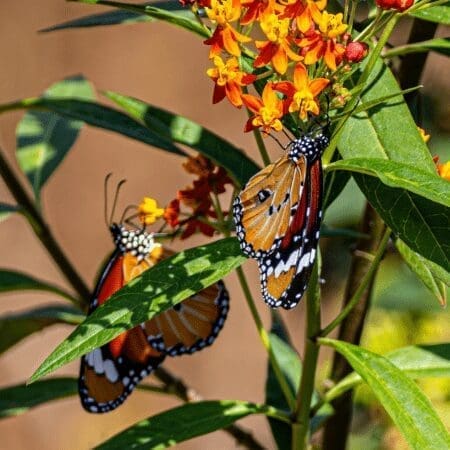
Pollinators play a central role in prairie ecosystems, and they often appear in prairie-inspired imagery. Bees, butterflies, and hummingbirds create constant movement across prairie landscapes. Their interactions with flowers illustrate how interconnected these ecosystems truly are.
North America alone is home to more than 4,000 species of native bees, many of which pollinate plants more efficiently than honeybees. Pollinators help reproduce over 75 percent of flowering plants worldwide, making them essential partners in plant reproduction and ecosystem health.
Butterflies also play an important role in pollination. Monarch butterflies, for example, migrate up to 3,000 miles each year, traveling across large portions of North America during their life cycle.
Imagery inspired by pollinators often reflects those relationships between insects and plants. Bees visiting flowers, butterflies drifting across a prairie garden, and hummingbirds hovering near nectar blooms all represent moments that define prairie ecosystems.
These scenes often become visual inspiration for artwork and handmade pieces.
Handmade Item Inspiration
Handmade designs begin with observation. Spending time outdoors, watching pollinators move through flowers, or noticing how prairie grasses shift in the wind can spark creative ideas.
Prairie ecosystems evolved alongside natural cycles such as grazing animals, seasonal weather, and periodic fires. Those long ecological histories shaped the landscapes that still move artists and makers like me today.
Many prairie plants also develop deep root systems reaching eight to fifteen feet below the soil, allowing them to survive drought conditions common across prairie regions. Those resilient plants represent more than ecological adaptation. They reflect the strength and persistence of prairie landscapes.
At Pixel Prairie Co., many handmade designs draw from these natural inspirations. The colors of wildflowers, the movement of grasses, and the presence of pollinators often guide the creative process. Nature provides the reference points. Intention becomes the way those observations take shape.