Native prairie flowers that nourish bees, butterflies, and the broader ecosystem
Native prairie landscapes once stretched across much of the central United States. These ecosystems supported an extraordinary diversity of flowering plants that bloomed throughout the growing season, creating a steady source of nectar and pollen for pollinators. Bees, butterflies, moths, beetles, and other insects rely on these flowers to survive. As pollinators move from blossom to blossom gathering nectar and pollen, they carry pollen between plants and help flowers reproduce and produce seeds. That process supports the health of entire ecosystems.
I see this process unfold in my garden near the University of Nebraska–Lincoln East Campus. Watching bees move steadily through the flowers or butterflies drift between blooms makes it easy to see how important native plants are to the life around us. Planting native prairie flowers has become one of the most effective ways we can support pollinators in our gardens and landscapes today. Even a small patch of native blooms can attract bees, butterflies, and other beneficial insects throughout the season.
Prairie Ecology and Pollinators
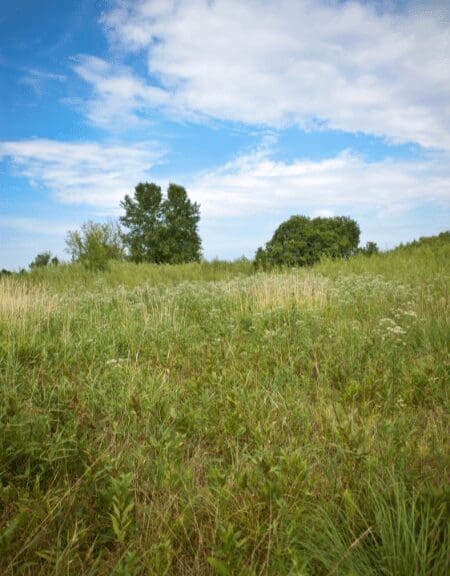
Prairie ecosystems remain some of the most biologically rich landscapes in North America. Historically, tallgrass prairies covered millions of acres across the Great Plains and Midwest. These grasslands supported hundreds of species of wildflowers and grasses. Seasonal waves of blooms provided nectar and pollen from early spring through late autumn, creating an environment where pollinators could thrive. Many pollinators evolved alongside prairie plants. Native bees often rely on particular plant species for pollen, while butterflies lay eggs on specific host plants that their caterpillars depend on for food.
Today much of that prairie habitat has disappeared. Agriculture and development have reduced large prairie ecosystems into smaller fragments scattered across the region. Because of this change, gardens planted with native prairie flowers now play an increasingly important role in supporting pollinators. I think about this while working in my garden. Even though my garden is small compared to historic prairie landscapes, it still becomes a gathering place for insects, birds, and other wildlife. Small spaces can still provide meaningful habitat. Pollinator gardens also help strengthen biodiversity by supporting insects, birds, and other species that depend on prairie plants.
Top Pollinator Plants from the Prairie
Several prairie flowers provide exceptional value for pollinators. When we plant these species in our gardens, we help recreate the nectar-rich habitats that once existed across prairie landscapes. Some of the most reliable prairie flowers for pollinators include:
Milkweed (Asclepias species)
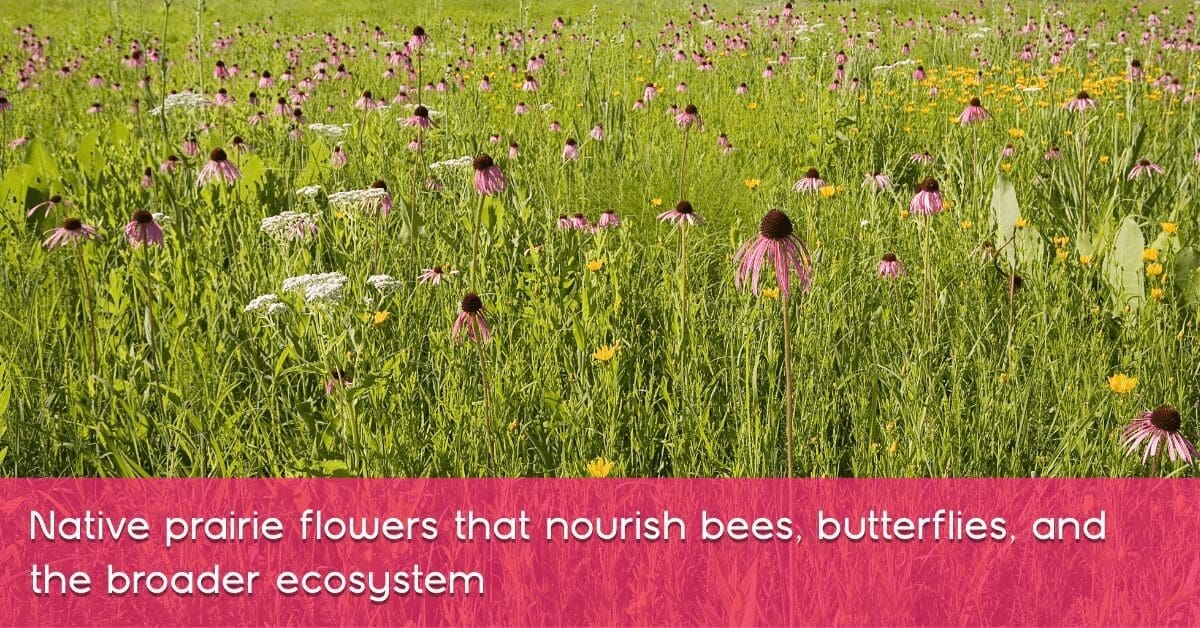
Purple Coneflower (Echinacea purpurea)
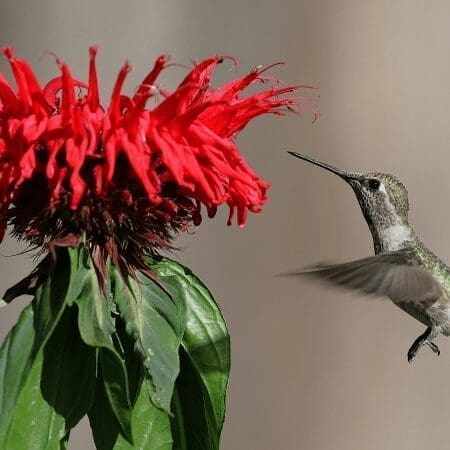
Bee Balm (Monarda species)
Milkweed plays a central role in monarch butterfly survival. In my garden, milkweed often becomes one of the most active gathering places for pollinators during the summer.
Purple coneflowers produce large nectar-rich blooms that attract bees and butterflies. Later in the season, their seed heads provide food for birds such as goldfinches.
Bee balm produces fragrant tubular flowers filled with nectar. Bees, butterflies, and hummingbirds frequently visit these bright blooms during the summer months.
Prairie Blazing Star (Liatris species)
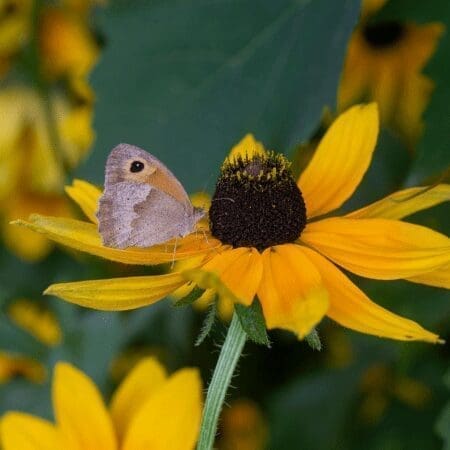
Black-eyed Susan (Rudbeckia hirta)
Goldenrod (Solidago species)
Tall spikes of purple flowers make prairie blazing star one of the most popular nectar plants for butterflies. When blazing star blooms in my garden, butterflies often gather around the flowers throughout the day.
Black-eyed Susan produces bright yellow flowers that bloom throughout summer. These plants attract a wide variety of pollinators and tend to thrive in sunny prairie conditions.
Goldenrod blooms later in the season when many other flowers have faded. Bees rely heavily on goldenrod nectar as they prepare for winter, making these plants an important late-season resource.
Seasonal Bloom Cycles in Prairie Gardens
Prairie ecosystems function through seasonal cycles of flowering plants. Different species bloom at different times, ensuring pollinators have access to nectar and pollen from spring through fall. Planting a variety of native prairie flowers can recreate these natural bloom cycles in our own gardens. A diverse garden helps ensure pollinators always have access to food.
Early spring flowers provide food for bees emerging from winter dormancy. In many prairie landscapes, early milkweed and prairie violets appear during this time. Summer often brings the greatest diversity of blooms. In my garden, coneflowers, bee balm, blazing star, and black-eyed Susan begin attracting pollinators as temperatures rise. Late summer and autumn flowers remain just as important. Goldenrod and asters bloom when many other flowers have finished for the year. Bees and butterflies rely on these late-season nectar sources to build energy reserves before colder weather arrives.
Why Native Plants Matter
Native plants support pollinators in ways that many ornamental plants cannot. Over thousands of years, prairie flowers and pollinators developed close ecological relationships. Many insects rely on specific plants for food or reproduction. Monarch butterflies, for example, require milkweed for their caterpillars to survive. Native bees also gather pollen from particular plant species that provide the nutrients their larvae need.
Native prairie plants also tend to thrive in local soil and climate conditions. Once established, many require less watering and maintenance than non-native ornamental plants.
Prairie plantings also provide several ecological benefits:
• nectar and pollen for pollinators • seeds that feed birds in autumn and winter • habitat for beneficial insects • soil stability and erosion control
My garden offers a small example of how these plants support wildlife. Milkweed, coneflower, and bee balm growing there attract monarch butterflies, native bees, and many other pollinators throughout the season. Prairie landscapes influence my creative work. The colors of wildflowers, the patterns of butterflies, and the movement of prairie grasses inspire the designs I create for Pixel Prairie Co.